 Gulte Movie News And Politics

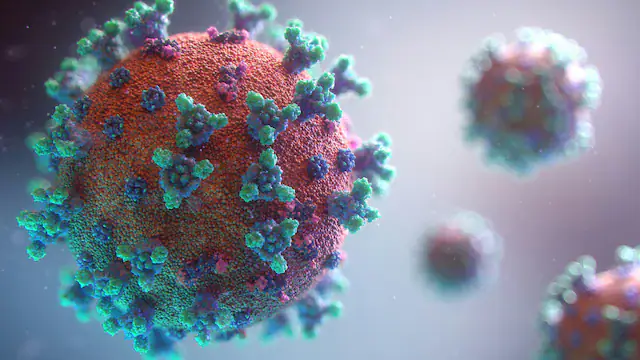
COVID-19 is back in the news with a new variant called PJ.2.1. It has been found in several countries, including Canada, the US, Europe, Asia, Australia and New Zealand.
The spread of this new variant has raised questions about another possible rise in COVID cases. But is there really a reason to worry?
What Is PJ.2.1?
PJ.2.1 is a new version of the coronavirus with several changes in its genetic structure. Scientists say it belongs to the JN.1 family of COVID variants.
Research published in October 2026 found that this variant has changes in its spike protein, which helps the virus enter human cells.
However, early laboratory tests suggest that antibodies from existing vaccines can still fight this variant. This is a positive sign.
Where Has It Been Found?
PJ.2.1 was first found in Ontario, Canada, on May 2, 2026. It was later detected in other parts of Canada and the United States.
Cases have also been reported in Singapore, Australia, New Zealand, Israel, France and Spain.
In Ontario, the variant is spreading at a faster rate. It accounted for 25.2% of tested COVID samples between September 20 and October 17. This was up from 16.9% in the previous four weeks.
What Are The Symptoms?
There are no special symptoms linked to PJ.2.1 so far. People infected with this variant may experience common COVID symptoms such as:
Fever
Cough and sore throat
Cold and runny nose
Headache
Body pains
Tiredness
Breathing problems in some cases
Is PJ.2.1 More Dangerous?
This is the main concern among people. However, there is no clear evidence that PJ.2.1 causes more serious illness or increases deaths compared to earlier variants.
Scientists are still studying how quickly it spreads and how it affects people.
The World Health Organization is also monitoring new COVID variants. PJ.2.1 has not been separately listed in its major variant categories so far.
Should India Be Worried?
The spread of PJ.2.1 in different countries means India also needs to keep a close watch.
However, there is no confirmed evidence in the reports discussed here of widespread transmission in India. There is also no indication that lockdowns or major restrictions are needed.
Elderly people and those with existing health problems should take extra care. Anyone with COVID-like symptoms should avoid close contact with others and consult a doctor if needed.
COVID-19 has not disappeared completely. New variants may continue to emerge, and health authorities need to monitor them.
Latest Articles






Tags Coroan Virus Corona