 Gulte Movie News And Politics
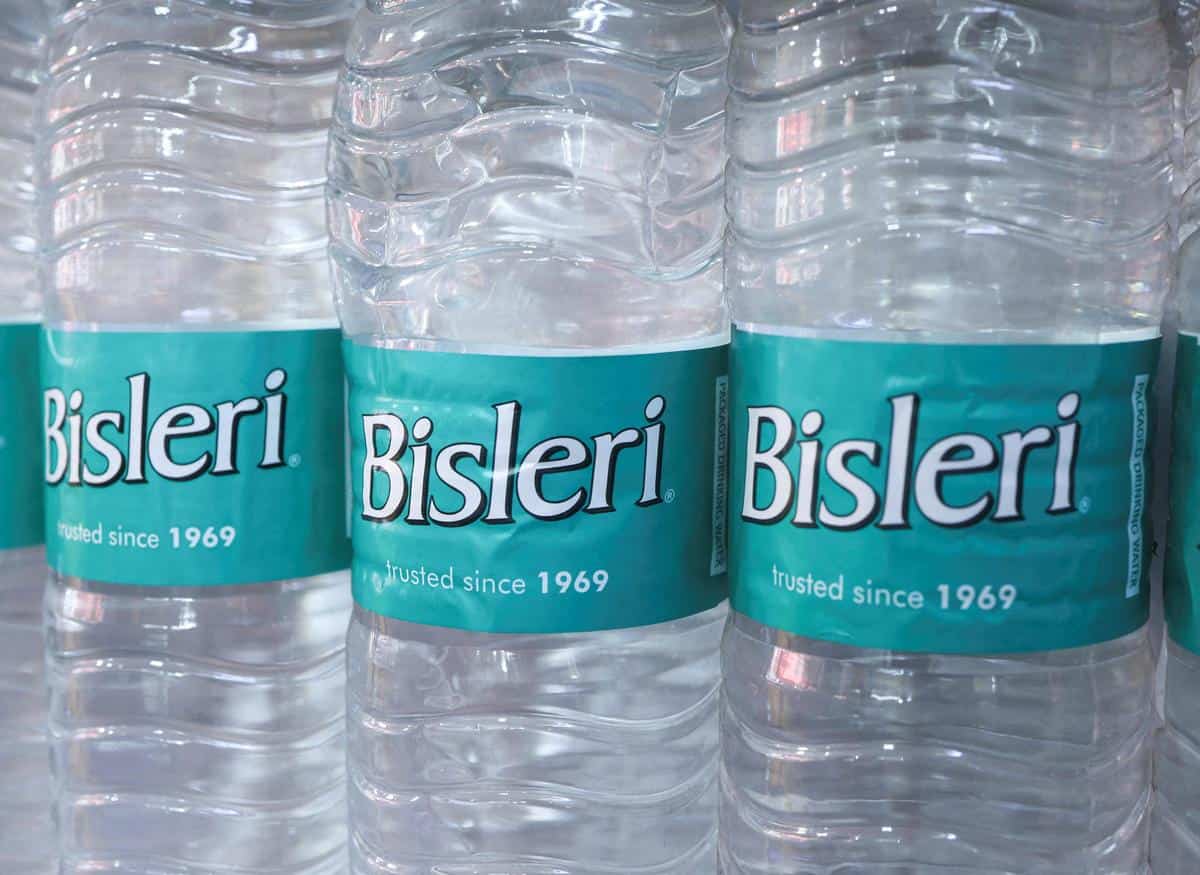
Bisleri is one of the most reliable bottled water brands in India. Millions buy it every day at stations, airports, shops, restaurants and more. Many view this popular bottled water brand as a best choice of safe drinking water. But now, a recent decision by the Food Safety and Standards Authority of India (FSSAI) has put bottled water in the country to question.
As per the test in laboratories, the packaged drinking water provided by Bisleri International Pvt Ltd is not safe for consumption, involving steps to prosecute them, as given by FSSAI. The initial test had detected bromate in the sample beyond acceptable levels. The company contested the results. The lab then retested the sample. However, the second sample also tested positive for polynuclear aromatic hydrocarbons (PAHs) and was unsafe as well.
Some of the chemicals in these groups have been linked to cancer. But consumers should know that these test results are of a single sample. It doesn’t mean that all Bisleri India bottles are unsafe for drinking.
What is bromate, and how does it affect you?
Bromate is a chemical that forms during water treatment. Bromate may be a long-term health risk. It is linked to thyroid and kidney tumors, although this link has mostly been found in animals. It can also cause oxidative stress and DNA damage in the body.
Too much exposure to bromate can cause nausea, vomiting, stomach pain, and kidney problems.
PAHs and Negative Effects
PAHs (Polynuclear Aromatic Hydrocarbons) A Family of Chemicals. They are mostly formed by incomplete burning of coal, wood, or crude oil.
Not all PAHs are bad, however. Some chemcials, such as benzo[a]pyrene, are known carcinogens. Some PAH can damage DNA and increase the risk of cancer with long-term exposure. Other studies are investigating their potential effects on immunity and reproduction.
How Do These Chemicals Get Into Bottled Water?
There are several reasons why dangerous chemicals can enter bottled drinking water: the source water is polluted, it is poorly treated, it is contaminated by environmental pollution practices, the water is stored in unsafe materials, etc.
Harmful bottled water will not have the correct bottle expiry details, manufacturing and batch details, and FSSAI licence number, these parameters should be examined by consumers before buying a bottle. Look for a broken cap seal. Do not use bottles that are broken, leaking, or stored improperly.
Latest Articles






Tags Bisleri