 Gulte Movie News And Politics
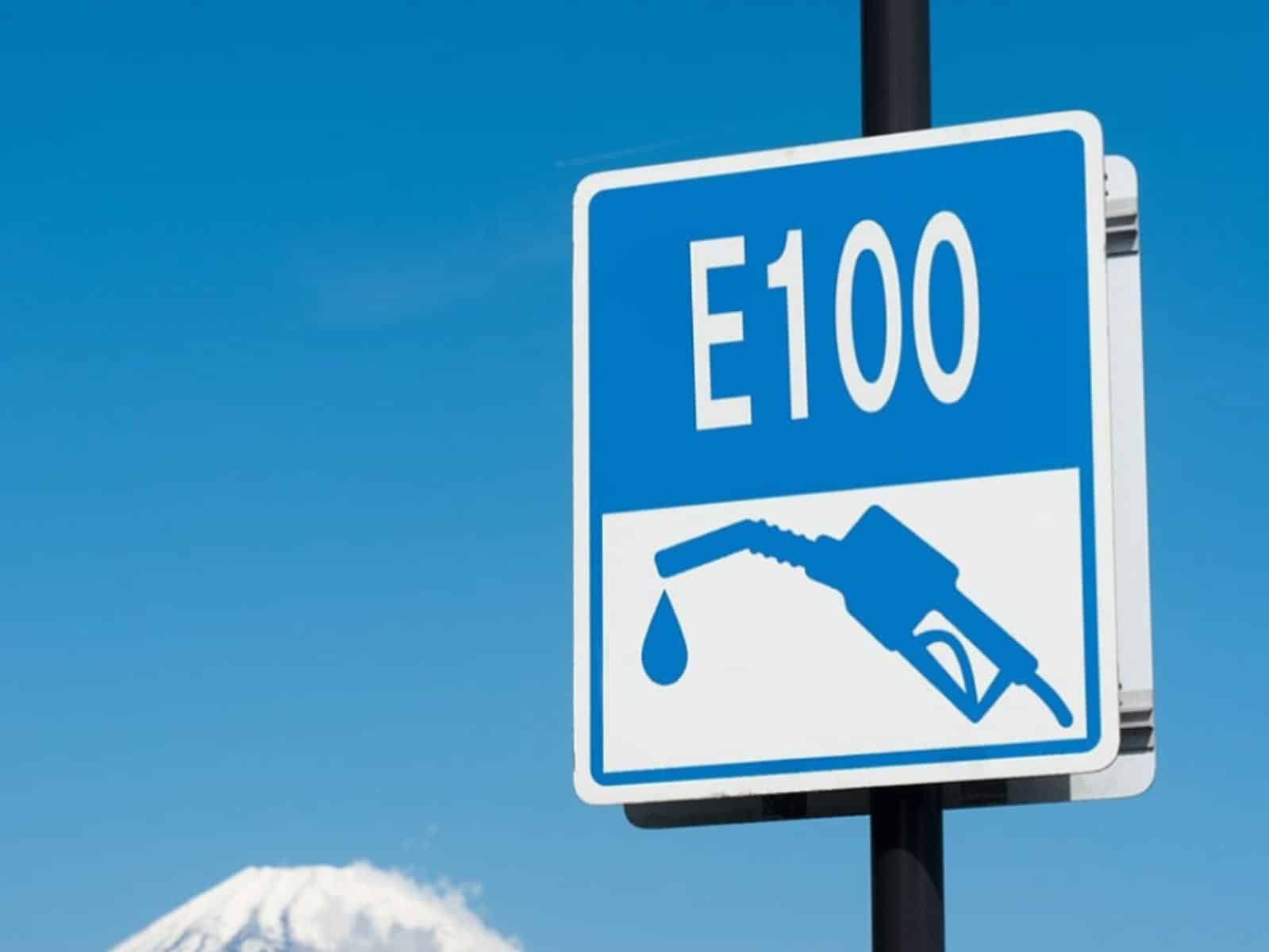
India has taken a regulatory step towards allowing cars to run on fuel containing almost entirely ethanol. The Ministry of Road Transport and Highways has amended the Central Motor Vehicles Rules, 1989, to include E100 alongside E85 in provisions governing emission certification for flex-fuel vehicles. The amendment was notified on October 23 and published in the Gazette on October 26. It creates a pathway for vehicles specifically designed to use high-ethanol fuels, but does not mean E100 is now suitable for every petrol car on Indian roads.
The distinction matters because India has already moved towards petrol blended with ethanol, and the latest change takes that policy a step further. E20 petrol contains 20 per cent ethanol and 80 per cent petrol. E85 contains up to 85 per cent ethanol, while E100 refers to fuel consisting predominantly of ethanol. The higher the ethanol content, the more important it becomes for the vehicle’s engine, fuel system and other components to be designed for that particular fuel. A car built for conventional petrol or E20 cannot simply switch to E100 because the government has amended its rules.
What exactly is E100?
Ethanol is an alcohol that can be produced from biological materials, including sugarcane and other agricultural feedstocks. In India, it has increasingly been used as a component of transport fuel, blended with petrol in different proportions. The number following the letter E indicates the ethanol percentage in the blend: E20 contains 20 per cent ethanol, while E85 contains up to 85 per cent. E100 denotes fuel that is predominantly ethanol rather than a conventional petrol-ethanol blend.
However, using ethanol at such high concentrations requires more than changing the fuel sold at petrol pumps. Flex-fuel vehicles are engineered to operate on different petrol-ethanol blends, within the range approved by the manufacturer. Their fuel-system materials are selected to handle those blends, while electronic engine-management systems adjust operation according to the fuel composition. This is why E100 is being introduced through provisions for specially designed and certified vehicles, rather than as a replacement fuel for the existing car fleet.
Why is the government pushing it?
The central argument for ethanol is energy security. India imports a substantial share of the crude oil it consumes, leaving the economy exposed to international oil prices and disruptions in global supply. Replacing some petroleum consumption with domestically produced ethanol could reduce that dependence and create demand for agricultural feedstocks. The government has also linked greater ethanol use to lower emissions, although the environmental benefit depends on how the ethanol is produced and the emissions generated across its supply chain.
The E100 decision also builds on the country’s existing ethanol-blending programme. E20 has already been rolled out, but high-ethanol fuel requires a different level of vehicle compatibility and a supporting supply network. The amended rules provide manufacturers with a regulatory framework for vehicles capable of using E85 or E100, subject to the applicable certification and safety requirements. The change is therefore an enabling measure, not proof that a mass-market E100 ecosystem is already in place.
Can existing petrol cars use E100?
No. The ministry has explicitly clarified that fuels beyond E20 and up to E100 are intended only for vehicles designed and certified to use them. Owners of conventional petrol cars should not experiment with E85 or E100, even if their vehicles are compatible with E20. Using a fuel outside the manufacturer’s approved range can create compatibility and performance problems. The notification does not require existing vehicle owners to modify their cars or change the fuel they use.
Motorists should continue following the recommendations in their vehicle’s owner’s manual.
For automakers, the immediate challenge is to turn regulatory approval into commercially viable vehicles. Maruti Suzuki introduced its Wagon R Flex Fuel prototype in June 2026, designed to operate on ethanol-petrol blends ranging from E20 to E100. Other manufacturers have also been exploring flex-fuel technology.
However, the availability of compatible models, the price of ethanol relative to petrol and the development of fuel distribution infrastructure will influence whether consumers adopt the technology at scale. The latest notification does not specify a nationwide E100 rollout date.
For motorists, therefore, the immediate change is limited. E100 is not a new fuel that can be poured into any car, nor does the rule amendment mean petrol pumps across India will begin selling it overnight. What the Centre has done is establish a clearer regulatory route for vehicles capable of running on much higher ethanol concentrations. Whether that translates into affordable cars, accessible fuel and meaningful savings for consumers will depend on what manufacturers and fuel retailers do next.
Latest Articles






Tags E100