 Gulte Movie News And Politics
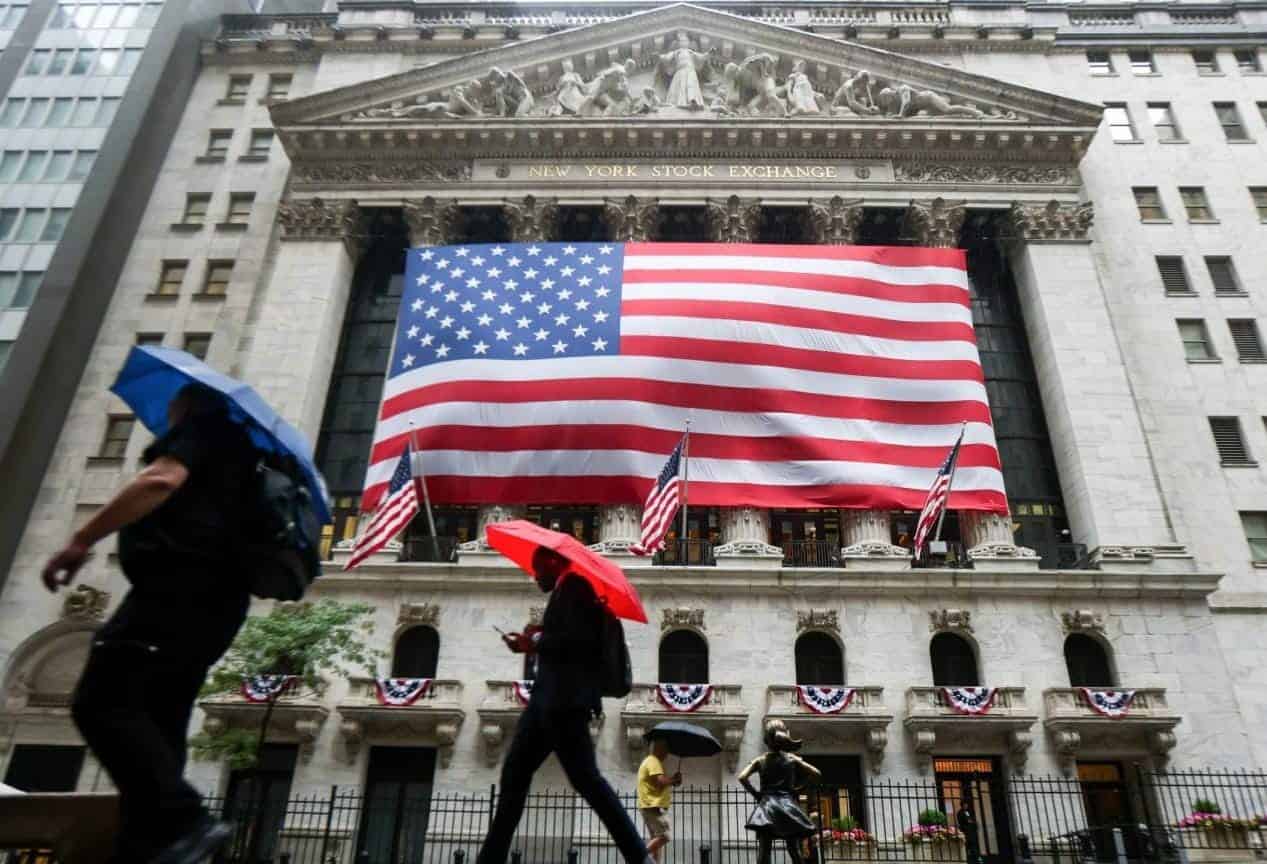
The November 3 US midterm elections could have a bearing on the future of thousands of Indians working in America on H-1B visas and those waiting for employment-based green cards. The elections will determine who controls the US Congress, which has the power to pass immigration laws, block proposals and question the Trump administration’s policies. But the results will not automatically change anyone’s visa or immigration status.
One proposal that Indian tech workers should watch is the Protecting American Workers Through H-1B Modernization Act. Introduced in Congress in September and October 2026, the bill seeks to raise an existing salary threshold from $60,000 to a level linked to twice the US National Average Wage Index, currently estimated at around $140,000. The proposal has been referred to the relevant congressional committees and is not yet law.
The important point is that this is not a proposal to make $140,000 the minimum salary for every H-1B worker. Under current rules, certain H-1B-dependent employers can avoid additional recruitment and non-displacement requirements if the worker earns at least $60,000 annually or holds a qualifying master’s degree or higher. Raising the threshold could make that exemption harder to use, potentially affecting how some employers recruit and sponsor foreign workers.
Another proposal could have a more direct bearing on new applicants. The End H-1B Abuse Act seeks to pause new H-1B visa issuance for three years and introduce tighter restrictions. If enacted, such a measure could disrupt recruitment plans for US companies and Indian professionals hoping to move to America. However, it remains a proposal, and its eventual prospects will depend on congressional support.
Green cards are another major concern. Many Indian professionals face long waits for employment-based permanent residency because of the demand for green cards and existing country-based limits. The proposed SMARTER Act seeks to replace the current employment-based preference structure with a points-based system that considers factors such as age, education, English proficiency, job offers and compensation. It also proposes removing per-country numerical limits.
For Indian applicants, removing those limits could be significant. However, a new points system would change how applications are assessed, and it is not certain how existing applicants would be treated or whether their waits would shorten. The bill has not become law.
So, what happens if Democrats gain control of the House or Senate? They could use committee hearings, oversight and legislative powers to challenge parts of the administration’s immigration agenda or block certain proposals. If Republicans retain control, measures backed by Republican lawmakers could have a clearer path through Congress, although passage would still depend on the votes and other legislative requirements.
There is also an important distinction between Congress and the White House. Some immigration restrictions have been introduced through presidential actions or agency rules. A change in congressional control does not automatically reverse them. Any reversal could require legislation, a new executive action, an agency rule change or a court decision.
For Indians already in the US, the practical impact will depend on their circumstances. An H-1B worker seeking an extension, a new applicant waiting for sponsorship and an employee whose green-card application is at the PERM stage face different risks. Proposed legislation should not be mistaken for a rule that is already in force.
The November 3 elections could influence the direction of US immigration policy, but they will not settle the issue overnight. For Indian professionals, the key questions are which proposals advance, whether they become law and how the administration and courts respond.
Latest Articles





Tags US Mid Term